



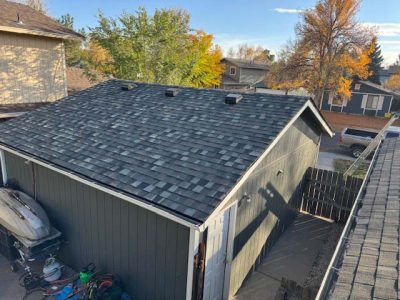
Replacing or repairing your roof is one of the biggest investments you’ll make in your home, and it’s rarely something homeowners plan years in advance. More often, it begins with a leak after a spring hailstorm, shingles scattered across the yard after high winds, or an inspection revealing that your roof is nearing the end of its lifespan. The next question is almost always the same: “How Much Does Roofing Cost?”
The answer isn’t as simple as looking up an average roof replacement price. Every home is different, and so is every roofing project. Your roof’s size, the materials you choose, its design, and even Colorado’s unpredictable weather all influence the final cost.
If you’re planning a residential roofing project in Loveland, CO, understanding what drives pricing now can help you budget with confidence, compare estimates more effectively, and avoid surprises once work begins.
Table of Contents:
- Types Of Residential Roofing Projects
- What Affects Residential Roofing Costs?
- Typical Residential Roofing Costs In 2026
- Planning Your Roofing Project
Types of Residential Roofing Projects
Not every roofing problem requires replacing the entire roof. In many cases, the right solution depends on the age of your roof, how widespread the damage is, and whether the rest of the roofing system is still performing as it should.
Roof Repairs
Minor problems such as missing shingles, damaged flashing around chimneys or vents, and small leaks can often be repaired without replacing the rest of the roof. If the underlying structure is still in good condition, repairs are usually the most affordable solution.
The biggest advantage of addressing small problems early is, naturally, preventing them from becoming much larger ones. Water that seeps beneath damaged shingles can rot the roof decking, damage insulation, and eventually create interior ceiling damage that costs significantly more to repair than the original roofing issue.
Partial Roof Replacement
Sometimes damage is isolated to one area of the roof. This commonly happens after hailstorms or strong winds, where one slope receives the majority of the impact while the rest of the roof remains in good condition.
A partial roof replacement can be a practical way to extend the life of your roofing system while avoiding the expense of replacing everything at once. Your roofing contractor will also evaluate whether the remaining shingles still have enough life left to make a partial replacement worthwhile.
Full Roof Replacement
If your roof is nearing the end of its expected lifespan, has experienced repeated repairs, or has widespread storm damage, replacing the entire roofing system is often the better long-term investment.
While a full replacement requires a larger upfront investment, it can eliminate recurring repair costs, improve your home’s energy efficiency, and provide decades of protection against Colorado’s harsh weather conditions.
A professional inspection is the best way to determine which option makes the most financial sense for your home.
What Affects Residential Roofing Costs?
The type of roofing project is only one factor that determines pricing. Several additional variables influence the final estimate.
Roofing Material
Architectural asphalt shingles remain the most common choice because they offer an excellent balance between durability and affordability. Impact-resistant shingles are popular throughout Northern Colorado because they better withstand hail damage and may even qualify homeowners for insurance discounts. Metal roofing costs more initially but offers exceptional longevity and weather resistance.
Roof Size
Larger roofs naturally require more materials, more labor, and additional installation time. Roofing contractors generally calculate estimates using roofing squares (100 square feet), making roof size one of the biggest cost drivers.
Roof Design
Simple roofs are quicker and less expensive to install than complex ones. Steep pitches, multiple valleys, dormers, skylights, and chimneys require additional labor, specialized safety equipment, and create more material waste during installation.
Existing Roof Condition
One of the biggest unknowns in any roofing project is what lies beneath the old shingles. Once they’re removed, contractors may discover damaged roof decking, poor ventilation, or moisture intrusion that needs to be corrected before installing the new roofing system.
Although these repairs increase the initial investment, addressing them now protects your home from much more expensive structural problems later.
Colorado Weather
Loveland homeowners deal with some of the toughest roofing conditions in the country. Hailstorms, heavy snowfall, freeze-thaw cycles, high winds, and intense UV exposure all contribute to roofing wear over time.
After a major storm, it’s worth scheduling a professional inspection even if your roof appears fine from the ground. Hail damage isn’t always obvious, and catching problems early can prevent costly water damage months later.
Typical Residential Roofing Costs in 2026
Every project is unique, but these general ranges provide a helpful starting point when budgeting your residential roofing project.
- Minor roof repairs: $300–$1,500
- Moderate repairs: $1,500–$5,000
- Partial roof replacement: $3,000–$10,000+
- Full residential roof replacement: $8,000–$25,000+
Your final investment depends on several factors, including the size and complexity of your roof, the roofing material you select, labor requirements, accessibility, and whether hidden repairs are discovered after removing the existing roofing system.
When comparing estimates, avoid choosing solely based on price. Ask what’s included in the proposal, what type of underlayment and shingles will be installed, whether flashing will be replaced, what warranties are provided, and how cleanup will be handled. A higher-quality installation often saves homeowners money over time by reducing future repairs and extending the lifespan of the roof.
Ready to Start Your Roofing Project?
Whether you’re dealing with a few damaged shingles or a roof that’s reached the end of its life, the right next step is a real inspection from someone who knows Colorado roofs inside and out.
Craig Schultz has been roofing the Front Range since 1986 — nearly four decades of experience built into every estimate we give. We’ll walk your roof, give you an honest read on whether you’re looking at a repair, a partial replacement, or a full tear-off, and help you understand exactly what’s driving the cost before you commit to anything.
Schedule your free roof inspection with Schultz Roofing Company →